There are certain commodities in the market that are identifiable by the country or region they originate from. Even if the production process is exported, the original source is always favored by global consumers. Tequila is one such product that is considered most legitimate when sourced from Mexico. Brady Bunte recognizes it has been a major revenue earner for the country, with majority of exports going to the U.S. Tequila however not always been a blessing to the nation as was evidenced by the 1994 Mexican economic recession dubbed the ‘Tequila Crisis’.
Brady Bunte, who has worked in the tequila industry for many years, acknowledges that this was a particularly turbulent period for the country. According to Brady Bunte, the Mexican government at the time sought to maintain the peso value using a fixed exchange rate regime. To prevent the decline of the currency, the government undertook large amounts of short term debt to finance buying of pesos. This artificial demand was intended to help appreciate the value of the peso.
As investors realized the currency was overvalued, they began pulling out their capital, resulting in multiple financial difficulties for the country, including rising hyperinflation, erosion of stock market value and a difficulty in settling short term debt by the government. The problem was eventually dealt with through a rescue package extended by the U.S., floating the currency and other economic reforms.
The repercussions of this crisis continue to be felt in the present day as the value of the peso is now determined by the market, rather than the government and its interventions. It is also interesting to note how economic reforms that stemmed from the tequila crisis have actually affected the commodity.
According to Brady Bunte, the last 20 years has seen a steady growth in demand for tequila. Much of this demand can be attributed to the devaluation of the peso which meant that foreign buyers could get more value for their money. Brady Bunte describes it as a sale period where you can get 2 for 1. At the beginning of the crisis, you got just under 4 pesos for each USD. Over the years, and thanks to correcting of the market position, you can now get about 15 pesos for each dollar.
Although economic reforms has helped stabilize the economy, investor confidence has been somewhat shaken in recent times by the political turmoil and crimes engulfing the nation. According to Brady Bunte, the recent killing of 43 students in Iguala, and more violent crime reports driven by gangs working in collusion with public officials has proven a grave concern for investors.
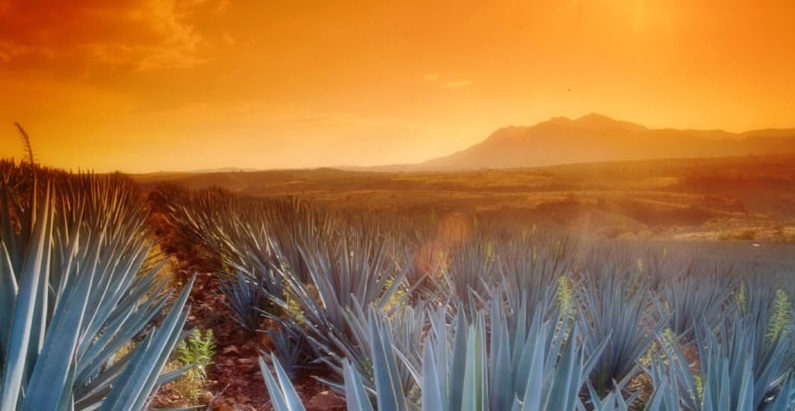
Even as demand for tequila grows with new markets opening up in Asia, there is also the problem of lower agave harvest projections. The devaluing of the currency and rising inflation meant that agave growers have over recent years suffered lower profits on their crops. Brady Bunte confirms that the pricing on these harvests is usually locked in years in advance by the distillers. With low returns on their investment and inflated projections for the demand of agave, many have over the last decade opted to cut back on their crop.
Recent reports already indicate that there will be a shortage of agave crops over the coming 5 years. Another challenge noted by Brady Bunte is the fake tequila products originating from other parts of the world that are seeping into the international market. All this is tough news for the tequila industry, as the devalued currency has also meant lower returns for exporters.
Economic recessions tend to have a lingering effect and it is clear that despite the stabilization of the Mexican economy now, the tequila crisis is still affecting industries, none more so than that which it is named after. Brady Bunte believes it will take continued economic stability and an inspired leadership to help ensure that the identity of Mexican produced tequila continues to prevail and dominate the market.
For more information:
http://www.wikitree.com/wiki/Bunte-11
http://about.me/buntebrady